
Travelling in Colombia – A Complete Guide, With Nonstop Connectivity via eSIM
Esimfly · 6 April 2025
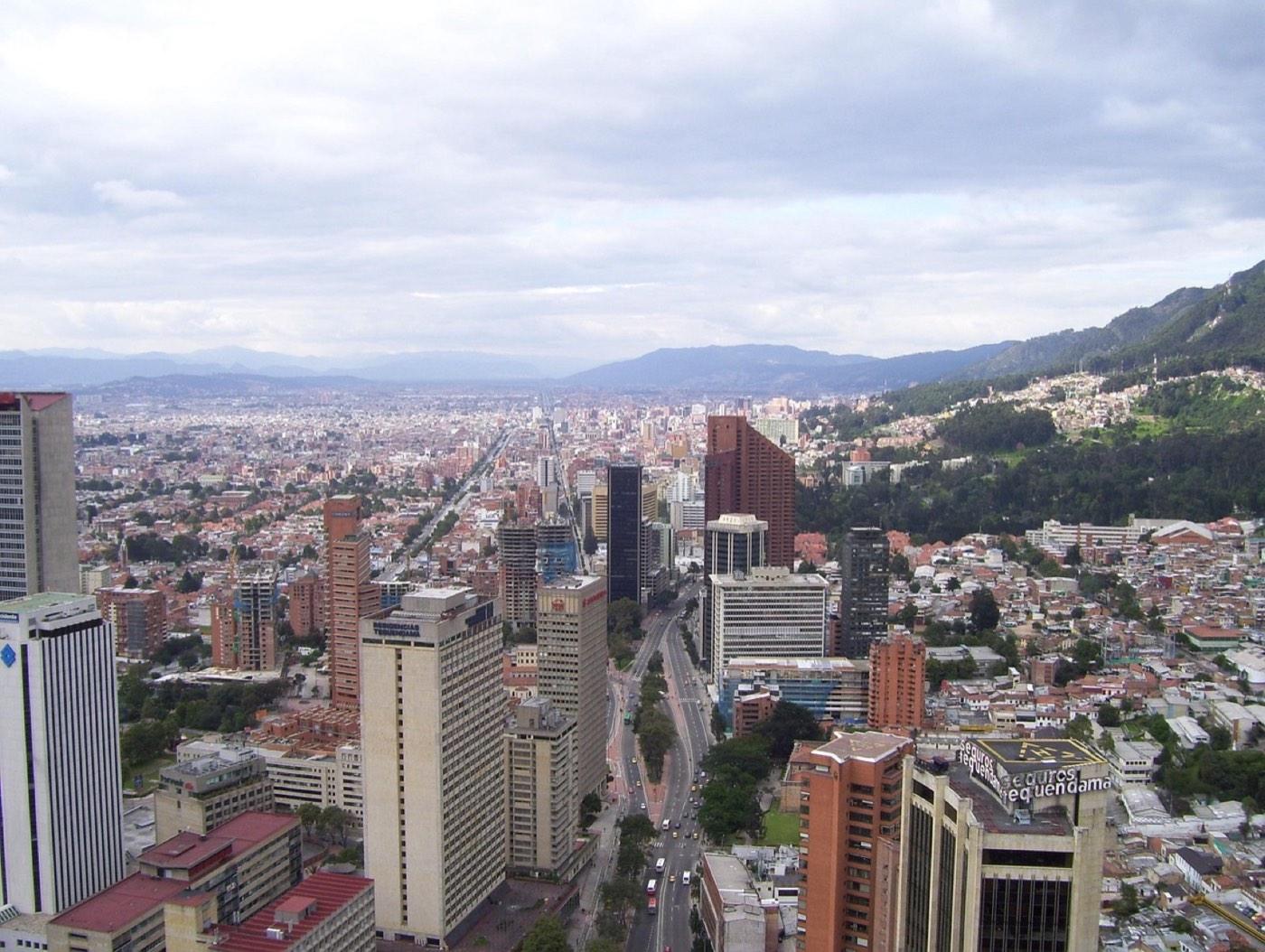
Colombia is one of the most varied and surprising countries in South America – a place that combines white-sand beaches, green Andean peaks, endless rainforest and buzzing cities. It is a rare blend of culture, nature, food and warm people, all of it affordable and infused with a genuine sense of discovery. In recent years Colombia has become a favourite with travellers looking for an authentic, powerful experience that is also more comfortable and safer than ever.
One of the most important things on any trip – and especially in Colombia – is uninterrupted internet. When you are travelling through a country this large, this diverse and this tricky to navigate, there is no substitute for a permanent connection. That is exactly why I installed an eSIM for travel on my phone before leaving – a digital SIM that gives you constant internet without removing your existing SIM, without queuing at the airport and without wrestling with clunky local operator bundles. Within seconds I was online, and it completely changed how I moved through the trip.
Arriving in Colombia – the starting point of your journey
Most travellers arrive in Colombia through Bogotá's El Dorado International Airport, though you can also land in Cartagena or Medellín depending on your route. The country is well served by international flights and frequent domestic connections, which makes covering long distances far easier than you might expect.
Right there in the terminal I realised how convenient it is to travel with a travel SIM that connects instantly – no queue to stand in, no local SIM shop to hunt down. I simply carried on to my first stop. On the ride from the airport I was able to book a hotel, check transport options and even arrange a guided tour.
Getting around Colombia – between mountains, cities and coastline
Colombia is big, so choosing the right way to travel matters.
Domestic flights have a clear advantage, especially if you want to combine the coffee region, the Caribbean coast and the mountains. There are frequent routes between Bogotá, Medellín, Cartagena, Santa Marta and beyond.
If you prefer a slower experience, you can travel by bus, sometimes overnight, and enjoy the spectacular scenery shifting from region to region. The buses are usually air-conditioned, very comfortable, and depart from the central terminal in every city.
Within the cities themselves – particularly Bogotá and Medellín – you will find good public transport. Bogotá runs a rapid bus system, and Medellín even has cable cars that climb up to the hillside neighbourhoods.
But to navigate, check timetables, book tickets or communicate with drivers, you need an internet connection. I used an eSIM for travel the entire way, and it gave me confidence everywhere I went.
Cartagena – the beating heart of the Caribbean
Cartagena is a city you fall for at first sight. The colourful streets, the colonial houses, the ancient walls and that special mix of history, sea, music and food make it one of the most beautiful cities in Latin America.
The old town is stunning by day and by night, with winding alleys, small markets and cafés with a wonderful atmosphere. Outside the city you will find gorgeous beaches such as Playa Blanca or the Rosario Islands – genuine paradise.
Medellín – a city transformed
Medellín is now considered a textbook story of urban transformation. It was once the crime capital of South America; today it is one of the safest, cleanest and most forward-looking cities on the continent.
The tour of Comuna 13 is genuinely moving – a blend of street art, history and music. The cable car, with its sweeping views over the whole city, is an experience in itself.
The El Poblado district offers restaurants, bars, cafés and boutique hotels, and it is one of the most popular areas to stay.
The coffee region – mountains, greenery and calm
The Eje Cafetero is a lush, mountainous region with breathtaking views. The town of Salento makes an excellent base – from there you can head to the Cocora Valley with its towering wax palms, walk the hiking trails, and visit local coffee farms that offer tours, tastings and explanations of the growing and roasting process.
If you are after a quiet corner to rest in and enjoy Colombian nature at its best, this is the place.
Bogotá – the capital, 2,600 metres above sea level
Bogotá is enormous, diverse and full of contrasts. In the La Candelaria district you will find the historic heart, with old buildings, museums, graffiti and small cafés. The Gold Museum is a must – an extraordinary collection of pieces from the indigenous era.
The crowning highlight is Monserrate, the mountain that offers a panoramic view over the entire city. You can get up there by cable car or on foot, if you are feeling ambitious.
Santa Marta and Tayrona Park – wild nature
If you are looking for untouched nature, hiking, rainforest and beaches, Tayrona Park is one of the most beautiful places in Colombia. You can sleep there in tents or cabanas, walk the mountain trails and enjoy spots like Cabo San Juan or Playa Cristal.
In this region there is sometimes no ordinary mobile reception at all, which is where I had a clear advantage: my eSIM plan kept working when others had no connection.
Colombian food – rich, colourful and filling
The local cuisine combines fresh fish, rice, beans, meat patties, pastries and corn.
Popular dishes:
- Arepa – a corn flatbread filled with cheese or meat
- Bandeja Paisa – a huge platter with rice, beans, meat, egg and avocado
- Empanadas – stuffed, fried pastries
- Sancocho – a stew of meat, vegetables and green plantain
Almost everywhere you go there are local markets, small restaurants and street stalls serving tasty, fresh food at very reasonable prices.
Accommodation in Colombia – something for every budget
Colombia has it all, from luxury hotels through hostels to Airbnb rooms. In the main cities it is easy to find comfortable accommodation at a good price, and in rural areas you will find wooden cabins or farms offering warm, family-style hospitality.
Everything can be booked straight from your phone – with a stable, smart connection like an eSIM for travel, you never get stranded offline.
When is the best time to visit Colombia?
Because Colombia sits close to the equator, there is no summer and winter, only a dry season and a rainy one.
December to March are the driest months, and June to August are also considered pleasant.
If you are planning to travel in the mountains, it is worth checking the forecast a few days ahead, because the weather varies enormously with altitude.
Why an eSIM is essential in Colombia
Getting by in Colombia without internet is genuinely hard – from ordering a taxi to navigating, to staying in touch with hotels, tour operators and locals.
With an eSIM for travel I could navigate, translate, look things up and book anything at the tap of a button – without searching for WiFi, without paying a fortune, and without going offline for a moment.
In summary – Colombia is a complete experience. And your connection is part of it
Colombia will surprise you – in its nature, its culture, its people, its food and its rhythm.
But to enjoy it properly, you have to be connected.
It is smart to leave home with a reliable solution like a travel SIM or an eSIM for travel – and you will find both easily at eSIM Fly.
A good trip starts with small decisions – and a good connection is one of them.
Planning the trip? Order your Colombia eSIM before you fly — the QR code arrives by email within minutes.