
Uncovering the Magic of Georgia – A Guide to the Perfect Trip
Esimfly · 16 January 2025
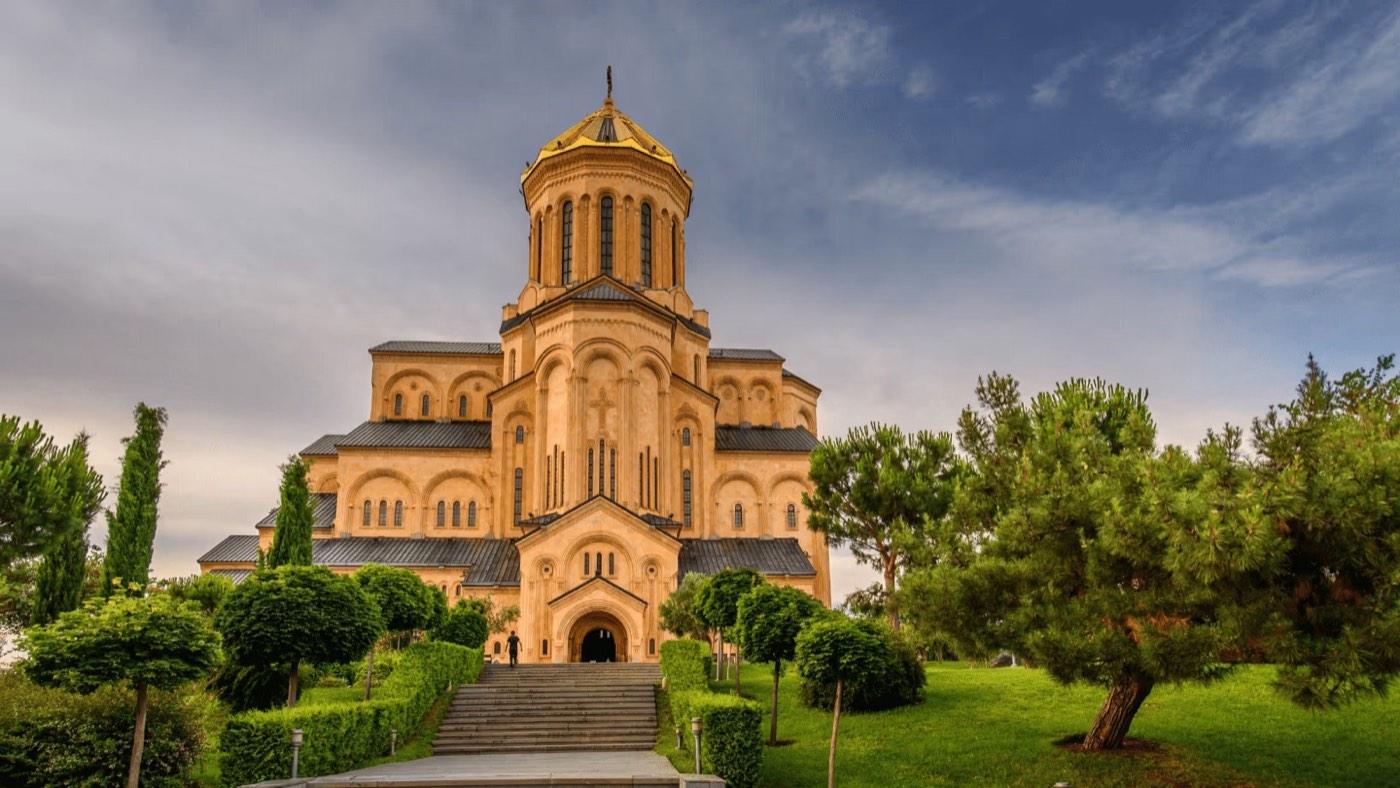
I still remember the first time I landed in Georgia. From the moment I stepped off the plane and breathed in that crisp, cool air, it felt like walking into a whole new world. A sense of freedom and curiosity about this mysterious destination stayed with me for the entire trip. At that point I had no idea just how literal the word "magic" would turn out to be when talking about Georgia – but over the following days I discovered a country that welcomes travellers with open arms, brims with fascinating history, is wrapped in breathtaking nature, and serves food that makes everyone want to come back for more.
Plenty of travellers describe Georgia as a destination caught between East and West, between a centuries-old culture and contemporary influences, between ancient tradition and fast-moving modernity. It manages to link the dramatic peaks of the Caucasus with gorgeous beaches on the Black Sea, ancient churches with modern architecture – and all of it in a fairly compact country, so everyone can find exactly what their heart is looking for. In other words, if you are after a destination that blends nature, history, food and culture, Uncovering the Magic of Georgia – A Guide to the Perfect Trip offers you precisely that.
In the article ahead we will dive into Georgia's historical backstory, survey the enormous variety of its landscapes, wander through the main cities such as Tbilisi and the wine villages of Kakheti, and travel together up to the high Caucasus summits. We will learn how to plan the trip properly, when it is best to visit, what you should eat, and how to stay connected everywhere with an eSIM Fly solution that makes life easier every time we head out into the field.
And of course, alongside all that cultural and gastronomic richness, we cannot forget the warm people of Georgia, who welcome guests with a genuine, wide smile. So join me on this intriguing journey – it might just change the way you see this enchanting country, and who knows, you may already start planning your next trip.
A Short History of Georgia
If we tried to describe Georgia as a storyteller, we would have to call it a true expert – every street, church or fortress presents a different historical era and reflects a unique culture born from the blend of Eastern and Western influences. Locals point out that some of the earliest historical evidence of regional trade and settlement appeared here thousands of years ago, giving the country a depth and tradition stretching back centuries.
- The first settlements: The Caucasus region was known as a natural bridge that carried goods and cultures between Europe and Asia. That is how the Georgian tribes absorbed some of the most distinctive influences of the peoples around them.
- Georgia becomes a Christian kingdom: In the fourth century Georgia adopted Christianity, and from that point on churches and monasteries were built with a striking architectural character that survives to this day.
- Soviet rule: For part of the 20th century Georgia was part of the Soviet Union. Despite the years in which local culture was pushed toward a single uniform identity under Soviet rule, many local traits endured and were preserved.
- Renewed independence: With the collapse of the Soviet Union, Georgia regained its independence, and in recent years it has enjoyed a fresh boom in tourism, investment in infrastructure and a renewed emphasis on national heritage.
You feel this rich history everywhere you set foot. In the ancient churches you can hear how the construction of a building ties into historical events, and the decorated streets of the old towns reflect a traditional artistry that tells the story of the Georgian people.
Spectacular Nature – From the Caucasus Peaks to the Black Sea Coast
It is hard to ignore the sheer power of the Caucasus mountains, rising above the clouds along a snowy frontier that inspires awe and wonder. Not far away wait the green slopes of rich farming regions, and eventually a beautiful stretch of coastline facing the Black Sea. Georgia delivers an almost endless variety of landscapes – hidden gorges and secret valleys, roaring rivers and waterfalls, and high summits that serve as panoramic viewpoints.
- The Caucasus mountains: Georgia's natural treasures reveal their full force in the Caucasus. Peaks such as Kazbegi offer a wide range of trails – from a relatively easy day walk to challenging multi-day treks.
- The wine valleys of Kakheti: The Kakheti region surprises with sweeping expanses of vineyards and boutique wineries that turn the area into a magnet for lovers of wine and fine food.
- The Black Sea: Along the coast, and especially in the resort city of Batumi, you can enjoy well-kept beaches, a fantastic promenade and buzzing nightlife.
This geographic variety makes for a spectacular experience in every season, whether you prefer winter skiing or summer hiking. Georgia always knows how to surprise you, and remember that a drive of just a few hours can take you from a snow-covered ski slope to sun-drenched beaches.
When Is the Best Time to Visit Georgia
There is no single answer to that question, because Georgia – rather like a sweet with layer upon layer of flavour – offers a different experience in every season:
- Spring (March – May): Flowing rivers and melting snow turn the valleys an especially vivid green. Temperatures are pleasant for hiking, and prices are still considered reasonable outside the peak seasons.
- Summer (June – August): July and August bring warmer weather. Perfect for mountain hikes, extreme sports and holidays on the Black Sea coast.
- Autumn (September – November): Many people argue that this is the ideal time to visit Georgia. The mix of mild weather, vineyards at their peak and the festive feeling of the grape harvest makes autumn the most magical season of all.
- Winter (December – February): If you love skiing, you can enjoy Georgia's snow-covered mountains at popular ski towns such as Gudauri and Bakuriani.
Whatever season you arrive in, you will always find something to marvel at. But be aware: the Caucasus peaks can be covered in snow for most of the year, so it is worth packing suitable clothing and checking the state of the roads and trails before you set off.
Georgian Food – A Culinary Journey Like No Other
One of the main reasons people fall in love with Georgia is the local kitchen. Many travellers notice just how much Mediterranean, Persian, Turkish and Russian flavours are woven into Georgia's original dishes. And here is the result: a huge variety of foods that fill the soul with joy.
- Khachapuri: The undisputed king of Georgian dishes. A soft dough pastry filled with melting cheese. Every region has its own version (Adjaruli, Imeruli and more).
- Khinkali: Dough dumplings filled with well-seasoned meat or vegetables. The delicious broth inside the dumpling is the "surprise" waiting for you.
- The traditional feast: Large meals in which main dishes are served alongside sauces, salads and local breads. A Georgian meal is a warm, lavish act of hospitality.
- Local wine: Georgia is considered one of the first countries in history to produce wine. In the vineyards of Kakheti, for example, you will find family wineries making traditional Qvevri wine in clay vessels. The taste is unique and unlike anything you have tried before.
The gastronomic experience here is one of the most fascinating chapters of the trip. Meeting the locals through food lets you discover the beating heart of Georgian culture.
Cultural Capital – Music, Folklore and Art
Less famous around the world than Georgian cuisine or the dramatic landscapes, but there is also enormous cultural capital here: traditional dance, music, art and painting that make Georgia even more compelling. As you travel through cities such as Tbilisi, Kutaisi or Batumi, you will see not only historical monuments but also modern galleries and contemporary music shows that express a blend of old and new.
- Folk dance: An inseparable part of Georgian heritage. Different dances represent different regions, with matching costumes and music that reflect a particular era or traditional celebration.
- Theatre and ballet: The country has notably active theatres and even a renowned ballet company, thanks to which visitors are exposed to classical works and contemporary local interpretations.
- Annual festivals: Georgia also celebrates culture, wine and food festivals that draw a wide crowd and offer a unique glimpse into local folklore.
Every cultural performance here carries a story – about eras gone by and about the present-day desire to hold on to a distinctive identity even in the age of modern technology.
Tbilisi – The Vibrant Capital
You cannot talk about Georgia without focusing on its spectacular capital, Tbilisi. If you are looking for an addictive mix of history, innovative urban life, great food and nightlife, Tbilisi is the place.
- The Old Town: Narrow alleys, old houses with weathered wooden balconies, ancient churches and the famous sulphur baths – all of them wrap you in an authentic atmosphere that is hard to resist. Visit Metekhi Church and cross the modern Bridge of Peace to reach the newer part of the city.
- Narikala Fortress: An impressive fortress perched on a hill overlooking the city. You can ride up by cable car or take the fairly steep walk. From the top there is a breathtaking view over the whole of Tbilisi.
- Shardeni Street: A lively area of cafés, galleries and assorted bars. Evening is the best time to stroll around, soak up the atmosphere and enjoy the buzzing energy.
- The sulphur baths: An indulgent experience of sauna and baths that help relax your muscles after a day of walking. Legend says the hot springs are the reason King Vakhtang Gorgasali decided to found the city of Tbilisi right here.
As part of the trip, Tbilisi also offers contemporary nightclubs, a reviving art scene and chef restaurants with dishes that "play" with traditional Georgian flavours. This is a capital that preserves the remains of its past while keeping up with a fast-moving present.
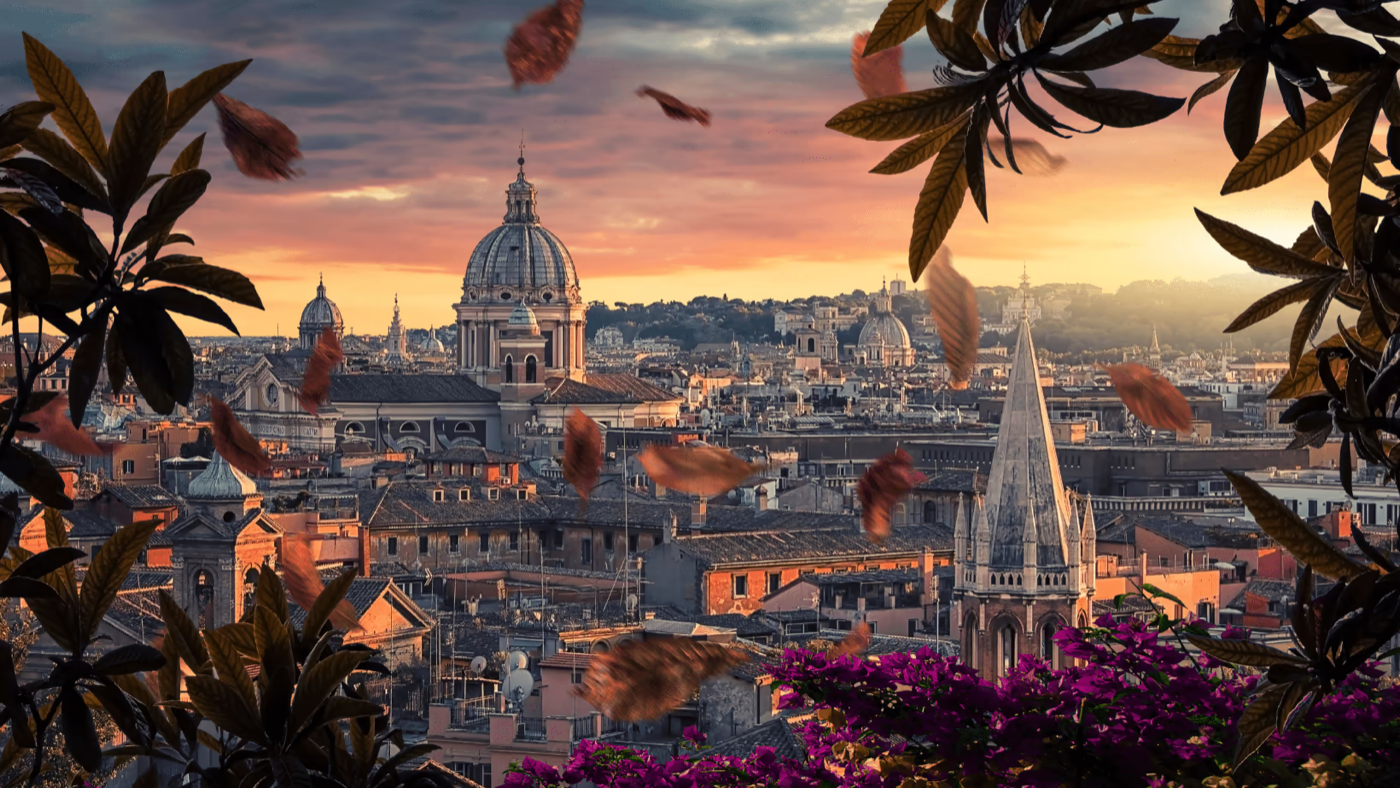
The Kakheti Region and Its Vineyards
For wine lovers this is a must-visit region: Kakheti lies in eastern Georgia and is known as the beating heart of the local wine industry. The Georgian tradition of winemaking goes back some 8,000 years, and it is said that ancient wine culture set out from precisely here.
- Winery tours: It is well worth joining a tour at one of the family wineries scattered around the region. You will enjoy tastings of Qvevri wine produced by ancient methods, in which fermentation takes place inside clay vessels buried in the ground. The resulting flavour is exceptionally rich.
- Vineyard views: The sight of green vine fields under bright skies creates a calm, pastoral atmosphere. During the harvest season (autumn) you can even take part in picking the grapes yourself.
- Enchanting small towns: Sighnaghi, for instance, nicknamed the "city of love", is considered one of the loveliest towns in the region, with panoramic views over the Alazani Valley and the Caucasus mountains.
A visit to Kakheti can turn out to be a genuinely emotional experience, because locals tend to open their homes and share stories around a table loaded with local delicacies, with a glass of wine in hand as a symbol of love and true friendship.
Trails in the Caucasus Mountains
Georgia's geographic high point, quite literally, is the Caucasus range. If you love nature and trekking, there is no doubt these mountains will give you unforgettable experiences. Among the places worth marking on the map:
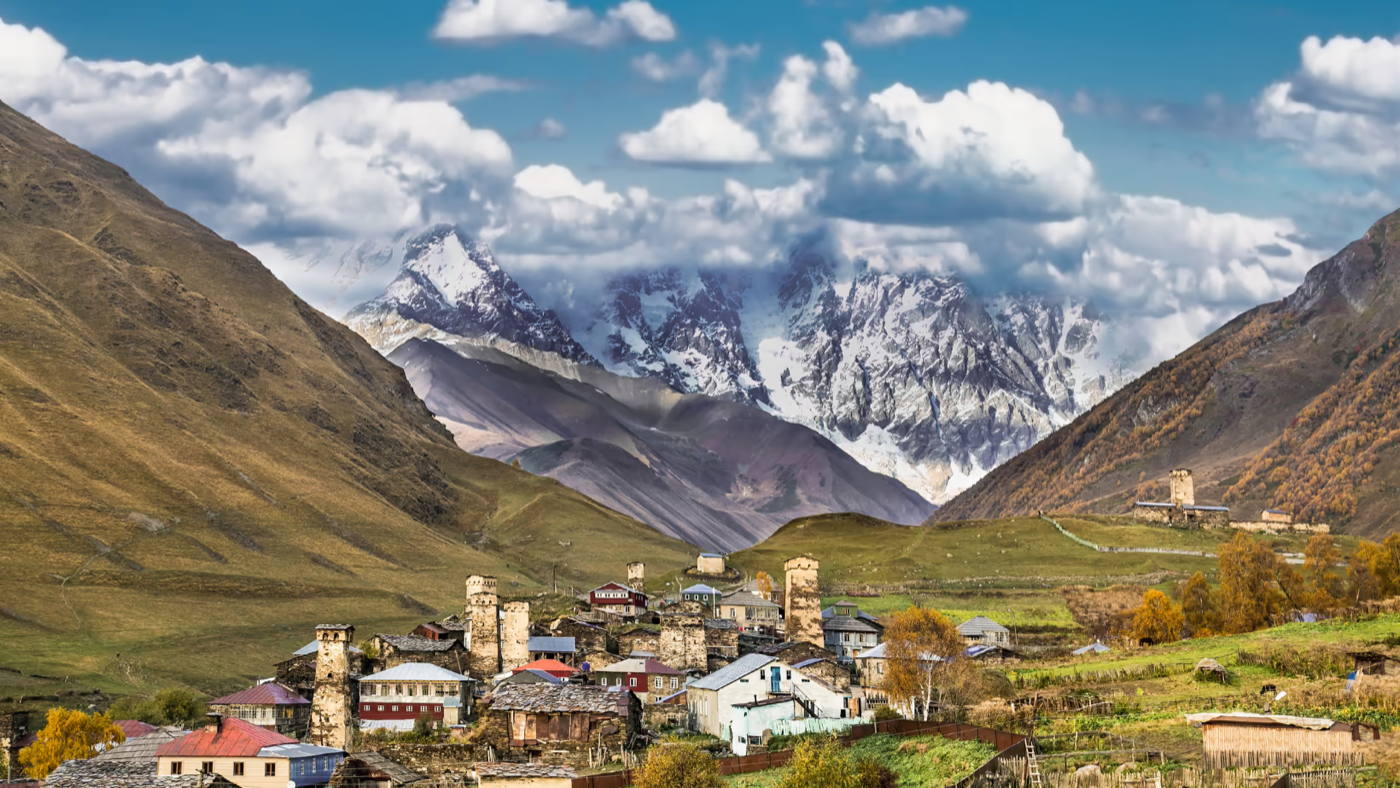
- Mestia to Ushguli: A hiking route in southern Svaneti that passes between small villages and ancient houses with defensive towers, looking like something out of a historical legend. The path is lined with dramatic landscapes, snow-capped peaks and encounters with locals living a peaceful village life.
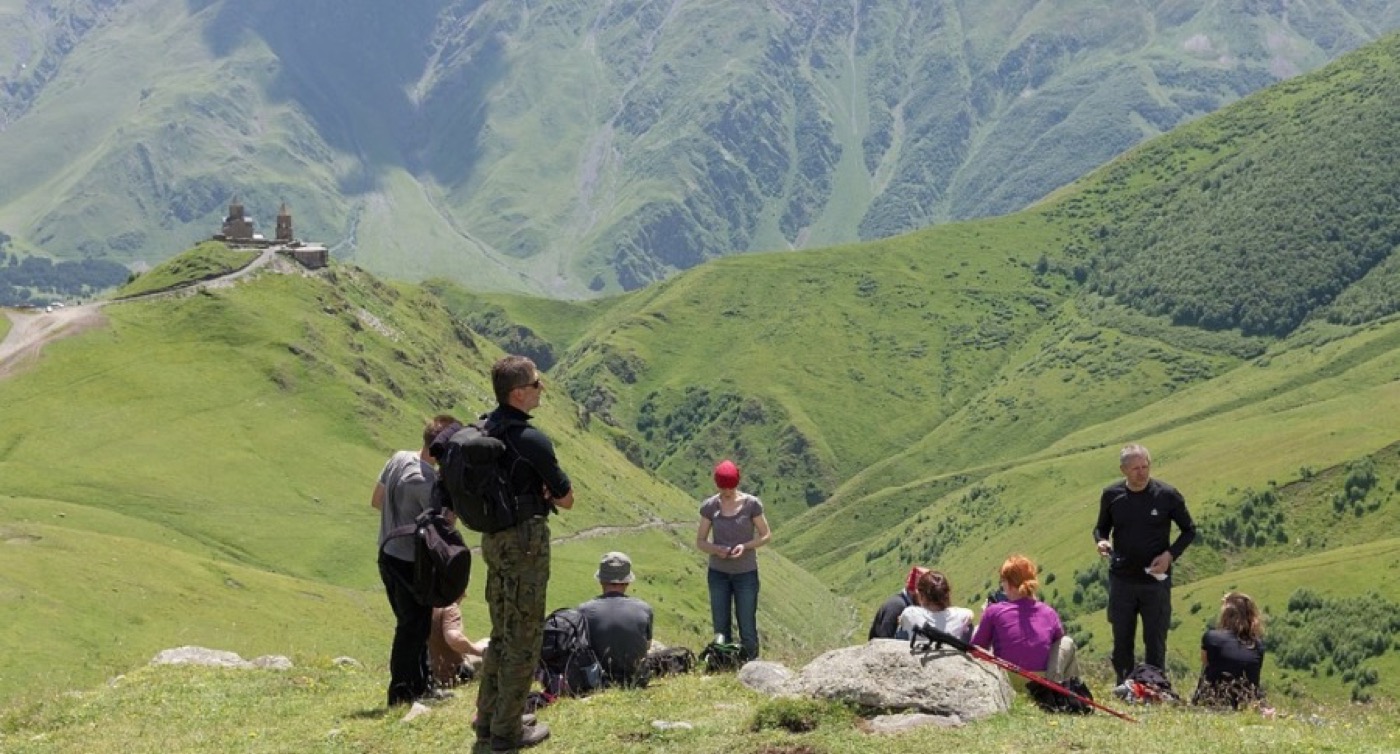
- Kazbegi: The area is famous for Gergeti Trinity Church, sitting at about 2,170 metres above sea level. The view from the church toward Mount Kazbek is one of the most spectacular you will ever see.
- Tusheti: A mountainous, unspoiled region accessible mainly in summer because of road conditions. Hikes here take in especially high peaks and encounters with a unique traditional culture.
On every one of these routes, remember to bring proper hiking gear, stay safe and consult local guides where needed. The nature here is breathtaking, but it also demands a responsible attitude given the altitude and weather that can change fast.
Georgia's Ski Towns
Georgia is increasingly recognised as an up-and-coming ski destination. The ski towns here give off a European feel with a distinctly Caucasian backdrop, and they draw crowds for lively winter holidays:
- Gudauri: A popular ski town about 120 kilometres from Tbilisi. It offers varied runs at different difficulty levels, comfortable hotels and activities such as paragliding over the mountain scenery.
- Bakuriani: A family-friendly ski resort that also suits beginners. There are wide slopes and ski lessons for anyone just starting out.
- Upper Svaneti: Here you can combine a mountain trip with skiing on snowy days. Locals say that when the snow builds up, this is one of the most spectacular areas to ride.
The ski season in Georgia starts around late December and sometimes runs until April. Prices are considered more affordable than at European ski resorts, which makes the holiday well worth it for seasoned skiers and first-timers alike.
How to Stay Connected – eSIM Fly
Whether you are planning to travel in Georgia for business or pleasure, it is well worth sorting out an efficient connectivity solution. There is no need to lug around local SIM cards or queue in phone shops – simply pick up an eSIM for Georgia from eSIM Fly.
- Simple activation: Scan a QR code before the trip and the moment you land in Georgia you have internet and calls.
- Affordable and convenient: No need for expensive data packages from your carrier or any hassle swapping physical SIM cards.
- Full control: You can top up the plan online and check your remaining balance at any moment.
I personally used the eSIM for Georgia from eSIM Fly during my stay, and from the second I landed in Tbilisi I had instant access to map navigation, sending photos to family and friends, and searching for local restaurants and cafés. It upgraded the whole experience, and above all it saved me a lot of pointless hassle.
Tips for Planning the Perfect Trip
When you visit a country as fascinating as Georgia, it pays to plan ahead so you get the most out of every moment:
- Choosing a route: Decide whether to focus on the mountains, the coastal cities or a combination of both. You can also tailor the route to the length of your stay – for example, Tbilisi plus a day or two in nature, versus a two-week trip covering every region of the country.
- Transport: Renting a car is a convenient way to discover hidden corners, but bear in mind that driving in the mountains can be challenging. Alternatively, the local bus and train system can be an experience in its own right, though it calls for flexibility and sometimes a lot of patience.
- Money and currency: The official currency is the lari (GEL). It is a good idea to arrive with a few dollars or euros and change them at licensed exchange points. In big cities you can pay by card almost everywhere, but in small villages cash still rules.
- Accommodation: Alongside luxury hotels in Tbilisi and Batumi, you will find plenty of traditional guest houses or rural lodgings run by local families.
- Language: The official language is Georgian, which is not an easy one to learn. Younger people usually speak English as well. Road signs are often written in both Georgian and English, so getting around is relatively straightforward.
Careful planning will help you enjoy every moment without unnecessary stress, and let you uncover Georgia's little secrets that might not appear in the standard guidebooks.
Experiences You Will Not Want to Miss
Georgia is so varied that you will often find yourself facing a dilemma: what else can we fit into such a short time? Here are a few more ideas:
- A street food tour: In Tbilisi and other large cities, it is well worth joining a street food tour and tasting your way around local stalls serving khinkali, khachapuri and modern takes on traditional dishes.
- A spa experience at the sulphur baths: Muscles seized up? At the sulphur baths you can loosen up and enjoy traditional treatments, including a local massage using age-old techniques.
- Visiting ancient cities: Mtskheta is considered a city of great historical and religious importance. Svetitskhoveli Cathedral and the Jvari monastery complex are UNESCO World Heritage sites.
- Jeep routes: For adrenaline lovers there are off-road routes that leave the main highways behind and reach remote villages. It is a wonderful way to see the non-touristy side of Georgia and enjoy wild scenery.
It is the small things that enrich the experience: stopping in a tiny village for a cup of fresh herbal tea, talking to locals with signs and hand gestures, visiting a local market where you discover colourful sweets and intoxicating spice aromas – all of these will make your trip unforgettable.
Frequently Asked Questions (FAQ)
- Do I need a visa to enter Georgia?
Citizens of many countries are entitled to enter Georgia without a visa for a limited stay. It is best to check the official Georgian government website or your diplomatic representation for up-to-date entry requirements. - How long should I travel in Georgia to really get a feel for the country?
Generally speaking, a week is enough to see Tbilisi and a handful of key sites, but to explore the Caucasus peaks, the coast and the wine regions, consider a trip of at least 10–14 days. - Is it safe to drive around Georgia in a private car?
Broadly yes, but keep in mind that some mountain roads are narrow and winding. If you are an experienced driver and not put off by demanding roads, this can be a wonderful way to see remote areas. In any case, make sure your insurance covers driving on mountain roads. - What does a trip cost on average?
Georgia is relatively cheap compared with European destinations. A meal in a local restaurant might cost between 15 and 30 lari per person (depending on the type of restaurant). Accommodation costs vary too, but the budget for an average trip is usually comfortable. - How do you handle the language barrier?
In the main cities younger people speak English, and in rural areas you can get by with signs, gestures and a translation app on your phone. It is worth learning at least a few basic words in Georgian to show respect for the locals. - Is cash essential everywhere?
In cities such as Tbilisi or Batumi you can usually pay by card. In rural areas or at local markets you may need cash, so it is a good idea to keep a basic amount in lari on you.
Summary and a Few More Recommendations
Georgia is not just a country – it is a complete experience that manages to combine ancient history, raw nature and unforgettable, warm-hearted hospitality. From wandering the alleys of Tbilisi's old town to driving up to the high villages of Svaneti, Uncovering the Magic of Georgia – A Guide to the Perfect Trip offers a glimpse into a culture that crosses borders and natural wonders that take your breath away.
As you plan the trip, do not forget to pack curiosity, cultural openness and a serious appetite for excellent local food. If you want to stay connected at all times and share your experiences online without limits, an eSIM Fly plan comes highly recommended. That way you can check bus times, book a table at a trendy restaurant and post photos straight from the mountain summits – all without any unnecessary headaches.
Before you zip up the suitcase, you might want to consider extending the trip by a few more days – in Georgia there is always something else exciting to discover, some picturesque village at the end of a mountain or a cultural festival in the middle of the street. From personal experience, every visit sent me home wanting to return. This is a country where people treat you like a friend from your very first meeting, and once you have tasted the flavours, seen the spectacular landscapes and of course learned about its fascinating history, you will understand that every use of the word "magic" is simply the natural choice.
If you are looking for an authentic, cultural experience full of flavours and views – Georgia is waiting for you with an open heart.
[You can find more information about Georgia on the official Georgian tourism website: Georgia.Travel]