
Morocco: A Journey of Color, Desert, Mountains and One Small Connection That Changes Everything
Esimfly · 23 March 2025
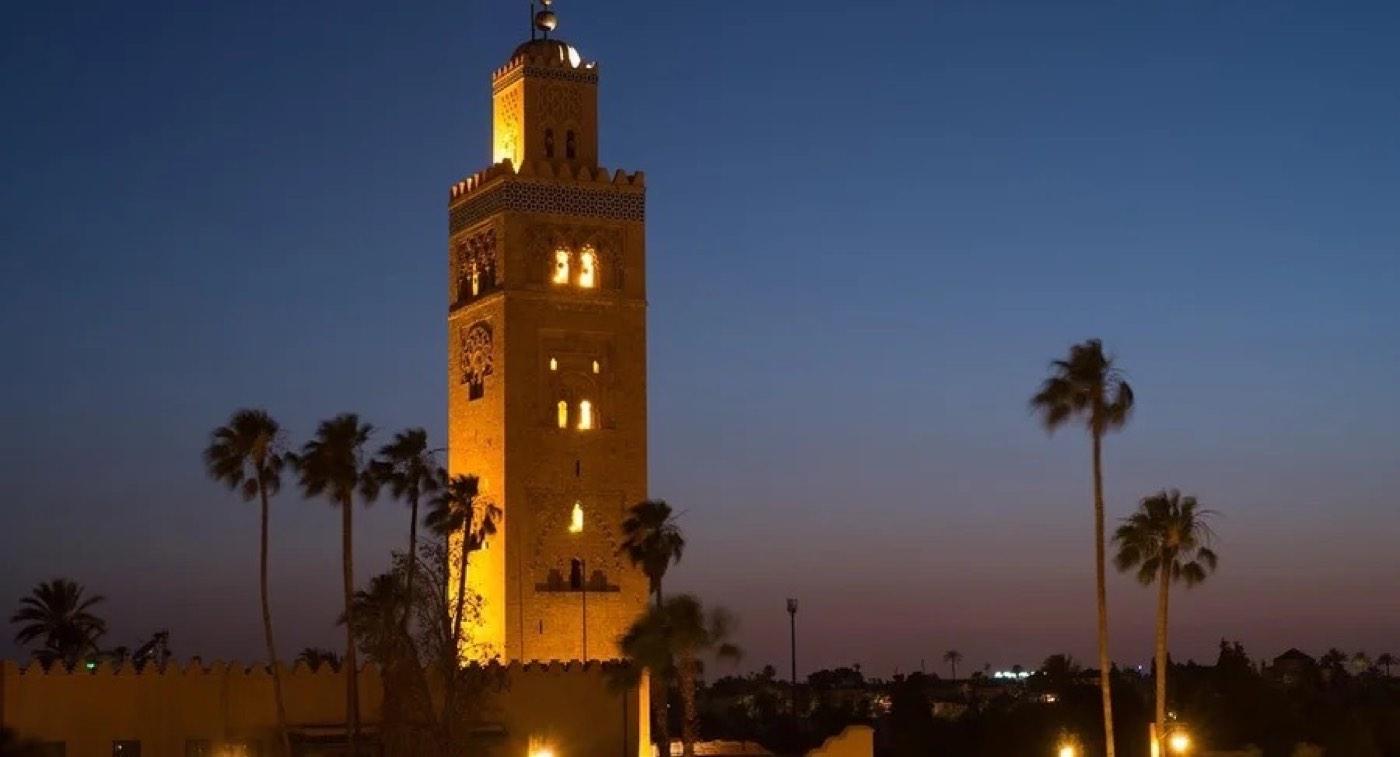
I went to Morocco for the first time without too much planning.
I thought it would be an exotic destination, interesting, maybe a little different. I had no idea it would become the trip that stayed with me the longest.
Not because of the height of the mountains or the quality of the hotel, but because of the people, the smells, the flavors, the music playing in the street, and of course, the small moments.
My experience began before I even boarded the plane, when I realized I had zero interest in wrestling with a local SIM, shops, languages, or paying a fortune to my home carrier.
I downloaded an eSIM for travel abroad in advance, scanned a QR code, and the moment I landed in Casablanca I already had internet.
And that, I admit, changed the entire way I traveled through this country.
But we will get to that.
Let us start from the beginning. Morocco is a country you cannot truly grasp until you arrive. Every city is completely different from the last. Every stretch of desert differs from the one before. And every day on the road feels like you crossed into another country.
How do you get to Morocco, and what does it really cost?
My first flight to Morocco went through Istanbul.
It was not direct, but it was convenient, quick and relatively cheap, and with Turkish Airlines it was even pleasant.
There are direct flights to Casablanca with Royal Air Maroc, but they are not always the best value.
Anyone willing to stop over in Europe will find plenty of good options on Skyscanner, especially when booking ahead.
I flew in September, a perfect month. Not too hot, not crowded with tourists, and not as expensive as August.
If you can, aim for spring or autumn. Winter is a little cold in the north, and in summer the desert feels like a furnace.
Landing day: the first question is how do you get around?
Morocco genuinely surprised me with the quality of its transport.
The cities are linked by remarkably comfortable ONCF trains. I took one from Marrakech to Casablanca: clean, air-conditioned, punctual.
Within the cities there are small taxis (Petit Taxi) and larger ones (Grand Taxi) for intercity trips. In most places you can also order through Bolt or Careem, Uber-style apps that operate in Morocco.
And because I always had my SIM for travel abroad with me, I never had to search for Wi-Fi, rely on the hotel, or struggle to translate an Arabic sign.
Everything was available. All the time.
The cities you will never forget: the opening five
Marrakech: the city where it all begins
There is no explaining what it feels like to walk into the Jemaa el-Fna square.
The street explodes with people, the scent of spices, musicians, traders, a snake charmer with a flute, and right in the middle of it, you.
I needed Google Translate for almost every sentence, and Google Maps every ten minutes, and I was deeply grateful for the eSIM plan already active on my phone.
The city also has its quiet side:
in the Majorelle Gardens I found a moment of calm over a coffee, and at Bahia Palace I marveled at every door and mosaic.
Casablanca: style, sea and a western breeze
Not everyone in Morocco loves Casablanca. I loved it.
It has fewer souks and more city. The Corniche promenade, the Hassan II Mosque, one of the most extraordinary buildings I have ever seen, and excellent coffee right beside the waves.
I used Bolt constantly here, searched for restaurants by rating, and posted stories nonstop, all because I had a virtual SIM for travel and was not dependent on patchy Wi-Fi.
Fes: where time stopped
The old city of Fes is a labyrinth.
Without internet I would have been lost inside it within two minutes, and that is not an exaggeration.
The Chouara Tannery, the leather souks, the powerful smells, the narrow alleys: it is an experience.
But it demands control. And I had no interest in being a lost tourist.
I came prepared, with an eSIM abroad, and I used it to talk to a local guide over WhatsApp. Without it? I would not have survived Fes.
Rabat: the surprising capital
Everything is calmer here.
The Kasbah of the Udayas is a small blue neighborhood that could pass for Greece.
There is a promenade, there are museums, everything is clean, quiet and orderly.
If you love culture, calm, and a break from the chaos of Marrakech, this is your city.
And if you work while you travel (as I did), you need internet. Good, continuous, and not dependent on hotel networks.
That is exactly what an eSIM plan is for, connecting you to the strongest network in every city.
Chefchaouen: the blue city
Here I felt like I had stepped into a painting.
Every wall painted blue. Every door, every bench, every street.
You do not come here for the sights, you come for the feeling.
To wander, to photograph, to breathe.
But it is up north, the internet is weaker, coverage is patchy, which is exactly why it pays to arrive with a SIM for travel abroad that connects automatically to the most stable network available.
The Atlas Mountains: close to the sky
If you have an extra day or two, escape the city for the mountains.
The Atlas range is a completely different landscape: green, rural, local.
You can set off on treks (from Imlil, for example), or simply drive out to see the Berber villages.
In places like these there is no Wi-Fi. Just you and the view.
But a SIM for travel abroad keeps working even at that altitude, and that brings real peace of mind.
The Sahara: the experience you never forget
I spent two nights in the desert.
We rode camels across the dunes of Merzouga, slept in a Berber tent, watched a sunset that looked like a painting, and in the morning drank tea facing golden dunes.
There is no signal, no electricity, no network out there. But before and after? Absolutely.
And the moment I came back from the desert I had internet again within a second, thanks to a virtual SIM for travel, with no waiting and no hunting for a connection.
Moroccan food: eating is not an activity, it is a ceremony
I came to travel and stayed to eat.
Harira, tagine, couscous, almond cookies, mint tea, orange juice squeezed on the street: everything fresh, fragrant and made with love.
I discovered outstanding restaurants through Google Maps, read the reviews, followed recommendations, all thanks to an eSIM abroad.
Without a connection, you simply get lost, including at the dinner table.
A two-week route: my personal recommendation
Days 1-3: Marrakech
Days 4-5: the Atlas Mountains
Days 6-7: the Sahara
Days 8-9: Fes
Day 10: Rabat
Day 11: Casablanca
Days 12-14: Chefchaouen and Tangier (if you also want the sea)
At every point along the route, staying connected matters.
And that only happens when you have an eSIM plan.
Why eSIM Fly is not a luxury, it is a necessity
Morocco is not always straightforward. There are gaps in language, culture and navigation.
With an eSIM abroad you depend on no one:
- Instant internet
- No removing your SIM
- No paying a small fortune
- With real customer service
- Works everywhere: desert, mountain, city
And it is not just another product, it is your solution.
Summary: Morocco will take your heart. Just give it your head too
Fly, travel, eat, get excited, be moved, but do it smartly.
Do not disconnect. Do not go hunting for Wi-Fi.
Sort out your SIM for travel abroad before you leave home, and let yourself explore with a clear mind.
Morocco will do the rest.
You only have to arrive ready for it.
Planning the trip? Order your Morocco eSIM before you fly — the QR code arrives by email within minutes.