
Tokyo Like You've Never Experienced It: Skyscrapers, Ancient Temples and an eSIM for Japan That Connects You to Everything
Esimfly · 8 May 2025
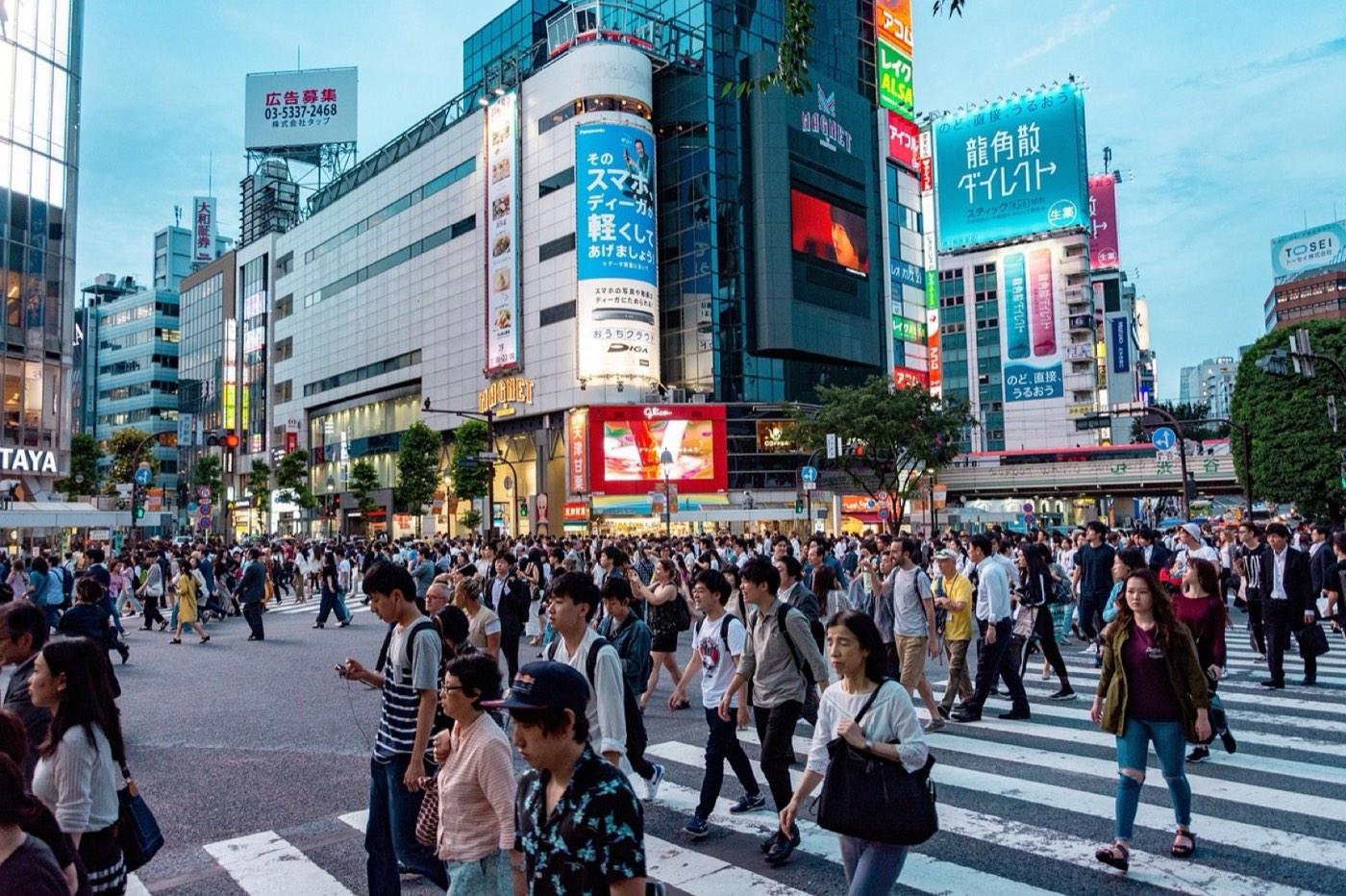
If there's one city in the world I could go back to again and again without getting bored for a single moment – it's Tokyo. Something about its energy, its precision, its organized chaos simply captivates me every single time.
And if you're traveling there – get ready for an experience unlike anything you've ever known. Not just because of the culture, but because Tokyo knows how to surprise you – every day, every hour, on every corner.
My trip to Tokyo began even before I reached the airport. I knew that the moment I landed – I didn't want to hunt for Wi-Fi, I didn't want to be stuck without a connection, and I didn't want to fiddle with a local SIM. So while still at home I installed an eSIM for Japan, and I was connected from the very first second.
And when you're connected – you experience more, you find information faster, and you don't waste precious time searching. That's exactly what turns your trip from "just another vacation" into "an experience straight out of a movie".
Day One – The Moment You Land and Realize You're Somewhere Else
I landed at Narita Airport – relatively far from the city itself.
Right from the airport you feel the difference: quiet, orderly, impeccably precise service.
Without any hassle, I boarded the Narita Express train I had booked online in advance – and that was exactly the moment I felt how glad I was to have an international eSIM plan. I didn't need to look for an information desk, I didn't stand in lines, I wasn't delayed – everything simply flowed.
The ride on the express train toward Tokyo City was quiet and enjoyable. And right at that moment, through the window, I watched Tokyo's skyline drawing closer. A huge, colorful, inspiring city.
First Stop: Shibuya – The Most Thrilling Culture Shock
Shibuya was my first stop in the city – and not by chance.
It's like jumping straight into the face of Tokyo: the world-famous crossing, the giant neon signs, tens of thousands of people moving in every direction, and everything running like a machine.
I went up to the rooftop observation deck of the MAGNET mall to see it all from above.
I took photos, shared, sent videos – and everything worked flawlessly thanks to the travel SIM I had arranged in advance.
No hunting for public Wi-Fi, no depending on the hotel. Real freedom begins when you're completely independent.
Where to Sleep in Tokyo – From Capsule Hotels to Luxury Towers
Tokyo is enormous, but what I love about it is that you'll always find an area that suits you perfectly.
On my first night I slept in a capsule hotel in Shinjuku – yes, those tiny rooms the size of a closet. I wanted to experience it. And even though it sounds claustrophobic, it actually feels comfortable, clean, organized – and at a great price.
After two days I moved to a pampering boutique hotel in Ginza, the city's elegant district. An insane view from the window, a Japanese bath, exceptional service.
The variety in Tokyo is simply enormous – there are hotels for every budget, of every kind.
And that's the beauty of it – as long as you're connected with a virtual SIM for traveling abroad, you can check reviews, book, make changes – without depending on anyone.
The Areas You Must Visit – Each With a Character of Its Own
Shinjuku – a mix of business, shopping, nightlife and eateries. Skyscrapers, karaoke clubs, bars on the 50th floor and above. The most "urban" spot in Tokyo.
Shibuya – the city's energy. The young crowd, the music, the fashion, the madness. A place that makes you feel at the heart of modern Tokyo.
Ginza – the luxury district. Japanese boutiques, brand-name stores, Michelin restaurants.
Harajuku – the capital of alternative fashion. The main street, Takeshita, is packed with people in wild outfits, one-of-a-kind shops and irresistible food stalls.
Asakusa – if you're looking for the Tokyo of old. Temples, Japanese gardens, traditional streets, kimonos on every corner. This is also home to the famous Senso-ji Temple – an absolute must.
Ueno – a huge park, museums, a zoo. Perfect for families.
How to Get Around Tokyo? It's a Country in Itself
Tokyo's rail system may be the most intricate in the world. Dozens of lines, different companies, colors, numbers – and everything runs like clockwork.
If I had tried to figure it out on my own, I would have gotten lost. But with apps like Google Maps, and especially Hyperdia, it's simple – you get precise directions based on the time, the station and the route.
Everything worked for me in real time, without a hiccup, thanks to an international data plan via eSIM.
You really can't get around Tokyo without a connection. You simply depend on it – for transport, for restaurants, for attractions.
Food – A Paradise of Flavors, Textures and Standards
There's nowhere in the world where you'll find food standards like Tokyo's.
Whether it's a street stall, a tiny sushi bar in a train station, or a Michelin restaurant – everything is fresh, precise, courteous and clean.
On every trip I try to eat where the locals eat – and this time I simply followed the recommendations other travelers sent me on WhatsApp, opened a map, and got there within minutes. Thanks to the eSIM that took care of it.
A few dishes you never forget:
- Ramen – I ate at a complex called Tokyo Ramen Street, inside Tokyo Station. Dozens of kinds of broth, soft-boiled eggs, noodles, pork fat that melts in your mouth.
- Sushi – Tsukiji Market, even though it's no longer the original market, still offers the most incredible sushi experience you'll find.
- Okonomiyaki – a Japanese pancake with cabbage, sweet sauce and pieces of bacon – hot off the griddle, right in front of you.
- Weird sweets – green tea ice cream, chestnuts on a stick, drinks with jelly – all you need is curiosity and courage.
And that's the magic: you eat all day, discover new things, and without a good connection through a travel SIM – you miss recommendations, can't find your way, can't share experiences in real time.
Shopping – Technology, Fashion and Gadgets You Won't Believe Exist
If you love technology – Tokyo is paradise.
I started in Akihabara – the district of gadgets, anime and lights. Six-story shops packed with speakers, cameras, robots.
From there I moved on to Shibuya to discover local fashion – Japanese streetwear with designs you won't find anywhere else.
Even if you didn't plan on buying – you buy. Simply because the things you see here don't exist back home.
And all along the way – with an eSIM for Japan, you search, compare, send photos to friends, ask for advice. Without it – you're cut off.
Culture – Tea Ceremonies, Temples and Quiet Within the Noise
In such a technological city, it's surprising to discover how much quiet it holds.
I went to Meiji Jingu – a Shinto shrine in the heart of a forest in the middle of Tokyo. The moment you pass through the gate, everything changes. Trees 30 meters tall, quiet gravel paths, people writing wishes on wooden plaques.
I also attended a Japanese tea ceremony – traditional seating on the floor, slow sipping, listening.
That's where I understood – Japan is a blend of future and past. Exactly like combining an eSIM plan with an authentic experience. It simply works together.
When to Visit Tokyo? The Seasons That Make All the Difference
Although every season in Tokyo is special in its own way, there are times when the experience is simply magical:
- Spring (March–May): cherry blossom season – a breathtaking time. The entire city is covered in pinkish-white flowers and everyone heads to the parks. A perfect season to wander, take photos, and breathe the soft air of renewal.
- Summer (June–August): hot and humid, but also colorful – festivals, fireworks, night markets. If you love energy – this is the time.
- Autumn (September–November): Japan shows off its fall colors – orange, red, yellow. The weather is ideal – pleasant by day, cool at night.
- Winter (December–February): crisp air, holiday lights, traditional ceremonies, and sometimes snow. Fewer tourists – more quiet.
Whenever you choose to go – what matters is being connected from the very first second. An international eSIM gives you exactly that. No complications, no delays – you're in.
A Trip Outside Tokyo – The Other, Beautiful Japan
On my fifth day in Tokyo, I decided to get out of the city a bit. I boarded a bullet train (Shinkansen) and traveled to a town called Nikko – about an hour and a half north. Forests, temples, waterfalls, a completely different atmosphere. It feels like stepping into another era.
Another day I traveled to Hakone – an area of hot springs and stunning views of Mount Fuji.
Getting around there wasn't easy – the sites are spread out, and local transport is less convenient. But thanks to my international data plan, I navigated with ease, booked tickets, and knew exactly where I was at every moment.
It may sound technical – but that connection changes everything. Instead of being dependent – you're in control. And that's worth a lot.
Tips From the Heart – What I Learned From This Trip
- Pack light – shop there. Tokyo is full of great finds.
- Book everything in advance – attractions, restaurants, trains. Especially if you're traveling in the warm season.
- Stay open – eat things that look strange to you, talk to people, wander without a destination.
- Be respectful – Japan is a polite country. Speak quietly, don't push, follow the rules.
- And above all – arrive prepared. A virtual SIM for traveling abroad makes the experience truly free. No hunting for shops, no delays, no dependence. Simply convenient.
In Summary – Tokyo Stays With You
When I flew to Tokyo for the first time, I thought it was just another destination on the list. But it found its way into my heart.
Something about its quiet within the noise, the blend of new and old, the Japanese precision, the aesthetics – changed the way I see travel.
And with an eSIM for Japan keeping me connected the entire time, I felt like everything was open to me.
I didn't deal with the technical stuff – I just experienced. That's what a real vacation should look like.
Planning another trip soon? Check out these guides: